Top 10 Ballet Flats Every Fashion Lover Must Try
Author:/
|
Released:January 29, 2026
Tired of choosing between comfort and style? Ballet flats are usually the middle ground most people end up coming back to.
They’re easy to wear, don’t slow you down, and still look polished enough for work. Whether you’re heading into the office or just out for the day, a good pair can make getting dressed feel a lot simpler.
Why Ballet Flats Still Work for Real Life
Most people don’t have the luxury of choosing outfits based on one situation anymore. You might have meetings, errands, and a commute all in the same day. Your shoes have to keep up.
That’s where ballet flats make sense. They’re easier to walk in than heels, but look more put-together than most sneakers. You can wear them with tailored pieces or something more casual without it feeling off.
They’re not perfect for everything. If you’re walking long distances every day, some pairs can feel flat or lack support. But for typical workdays and everyday wear, they tend to hit a balance that’s hard to replace.
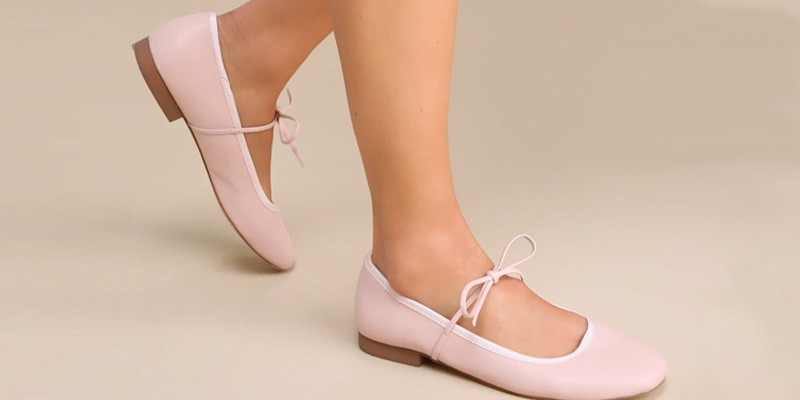
Top 10 Ballet Flats That Define Modern Elegance
1. Repetto Cendrillon Ballet Flats
If you like that classic, slightly delicate French look, this is probably what you’re picturing.
The leather is very soft and starts to shape to your feet after a few wears, which is why people keep coming back to them. They feel light and flexible, almost like a second skin once broken in.
That said, they’re not the most supportive. If you’re walking a lot or standing all day, you might notice the lack of cushioning. These work best if your day is more office-based with moderate movement.
Price-wise, they sit on the higher end, so they make more sense if you care about craftsmanship and that specific aesthetic.
2. Tory Burch Minnie Travel Ballet Flats
These are one of the easier “safe choices” if you want something practical that still looks polished.
They come with a bit more cushioning than most classic flats, which makes a difference on longer days. The leather is soft right out of the box, so there’s usually less break-in compared to more structured pairs.
The logo is noticeable, so it depends on your style. If you prefer something minimal, it might feel a bit branded. But if you don’t mind it, they’re very easy to pair with work outfits.
A good option if you want something reliable for daily wear without thinking too much about it.
3. Margot McKinney Leather Ballet Flats
These feel more like a statement piece than an everyday basic.
The leather and finishing are high quality, and the design tends to stand out a bit more compared to simpler flats. If you already have your basics covered and want something that feels more distinctive, this is where they fit in.
They’re less about practicality and more about style and craftsmanship. Not the pair you reach for every single day, but something you wear when you want your outfit to feel a bit more intentional.
4. Sam Edelman Felicia Ballet Flats
This is usually where people start if they’re not trying to spend too much.
They’re affordable, easy to find, and come in a lot of colors and materials. Good for testing out what styles you actually wear before investing in something more expensive.
Comfort-wise, they’re decent for everyday use, but not built for heavy walking. The sole is thinner, so you feel the ground more compared to higher-end pairs.
If you’re building a rotation and want something low-risk, this is a solid entry point.
5. French Sole Simple Ballet Flats
If you prefer something clean and understated, these are easy to like.
The design is very minimal, which makes them easy to pair with almost anything. They sit somewhere between casual and dressy, so they work for both office and weekend outfits without much effort.
Compared to something like Repetto, they feel a bit more structured and slightly more supportive, but still lightweight.
A good choice if you want a classic look without logos or extra details getting in the way.
6. Tieks Italian Leather Ballet Flats
Tieks are one of those pairs that don’t seem that special at first, but you end up reaching for them all the time.
They’re soft, flexible, and fold completely flat, which makes them easy to carry around as a backup. If you commute or travel often, that detail actually comes in handy.
They feel more comfortable than most classic flats, but still not built for long days on your feet. Better for days when you’re moving around, but not constantly walking.
Over time, they tend to become the pair you keep by the door without really thinking about it.
7. Rothy’s The Point Ballet Flats
These feel quite different from leather flats right away.
The knit material is lightweight and breathable, which is nice in warmer weather. And being able to toss them in the wash is one of those things you don’t appreciate until you need it.
They don’t have that structured, polished look though. Depending on what you wear, they can lean a bit casual.
They make more sense if you care about ease and low maintenance more than a sharp, classic finish.
8. Cole Haan Grand Ambition Ballet Flats
If most flats feel too thin for you, these are noticeably different.
There’s real cushioning here, closer to what you’d expect from sneakers. You don’t get that flat, hard feel after a few hours.
They do look slightly more modern and less delicate than traditional ballet flats, so it depends on your style.
If your days involve a lot of walking, these are much easier to live with.
9. Vince Camuto Estra Ballet Flats
These are more about style than anything else.
They usually come in trend-driven shapes and colors, so they’re easy to pair if you like keeping your outfits current without spending too much.
Comfort is fine for a few hours, but probably not something you’d rely on all day.
They work best when you just want something that looks good without overthinking it.
10. Naturalizer Flexy Ballet Flats
If you’ve had issues with flats feeling tight or uncomfortable, these are a safer place to start.
They’re softer, more forgiving, and come in wider fits, which makes a big difference for a lot of people. You don’t really need to break them in either.
They are more practical in terms of design, so not the most refined look on this list.
But for everyday wear, especially longer days, they’re just easy to deal with.
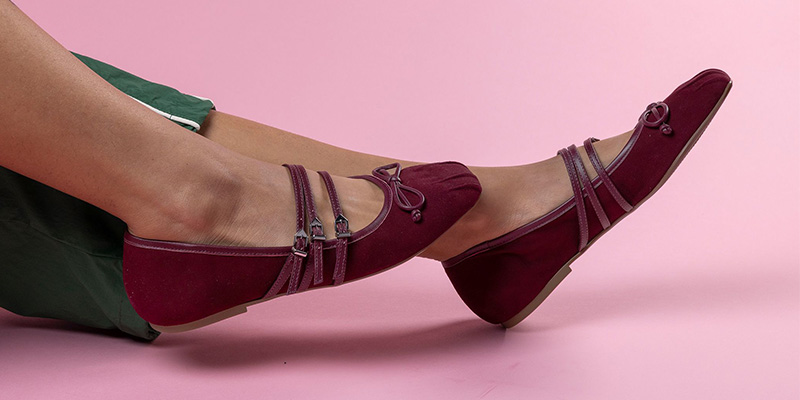
How to Choose the Right Pair (Without Overthinking It)
You don’t need to overanalyze this, but a few small details do make a difference once you start wearing them regularly.
If your feet are on the wider side, look for softer materials or rounder toe shapes. Some structured flats can feel tight pretty quickly. Brands like Margot McKinney or Naturalizer tend to be more forgiving, especially if you’ve had issues with fit before.
If your feet are narrow, it’s usually the opposite problem. Flats can slip off easily, so slightly more structured designs or pointed shapes tend to stay on better.
It also helps to think about how you’ll actually wear them.
If you commute or walk a lot, cushioning matters more than you expect. If you’re mostly sitting or just wearing them for a few hours, you can get away with thinner soles and focus more on how they look.
One thing people often overlook: sizing. Ballet flats can run a bit small, especially in leather, so it’s worth checking reviews before buying instead of assuming your usual size will fit.
How People Actually Wear Them Day to Day
Ballet flats are pretty easy to style, which is why they stick around.
For work, most people keep it simple. Black, nude, or dark tones with trousers or something tailored just works. It looks clean without trying too hard.
On more casual days, this is where you can switch things up a bit. Softer colors, metallics, or even subtle patterns feel more relaxed with jeans or looser outfits.
For evenings, you don’t necessarily need heels. A slightly sharper shape or a better material (like smooth leather) can still look put-together with dresses or more polished outfits.
It’s less about rules and more about whether the shoes feel in sync with the rest of what you’re wearing.
You May Like
Fashion Trends
Street Style Evolution: Fashion Trends Inspired By Urban Culture
Fashion Trends
Elle Fanning's Dark-Wash Cuffed Jeans Are Peak 2026 Cool-Girl Style
Apparel & Shoes
Why Mule Shoes Are Taking Over Fashion The Ultimate Style-Comfort Revolution

Outfit Ideas
Baggy Jeans Are ‘OUT’: Here’s the French Style Taking Their Place
Jewelry
Stop Buying "Disposable" Jewelry: How to Spot a Necklace That Lasts